Services
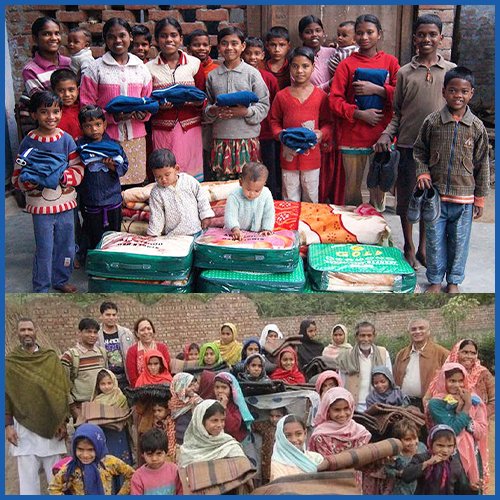
CLOTHS DISTRIBUTION PROGRAM
Cloth distribution programs are another essential initiative undertaken by Our NGO to provide clothing assistance to individuals and communities in need. These programs aim to ensure that people have access to clean, appropriate, and adequate clothing, which is a basic necessity for maintaining dignity, protection, and comfort. Cloth distribution programs can take various forms, depending on the specific needs of the target population and the resources available. Here's how we typically implement cloth distribution programs: 1. Promoting Hygiene and Health: Proper clothing is crucial for maintaining hygiene and preventing various health issues. For example, suitable footwear protects against foot-related infections, and approp
riate clothing prevents exposure to the elements. 2. Community Building: Clothing distribution events can bring communities together, fostering a sense of unity and support. People often come together to donate, sort, and distribute clothes, strengthening social bonds in the process. 3. Basic Necessity: Clothing is one of the basic necessities of life, and many people, especially those living in poverty or facing emergencies may not have access to sufficient or appropriate clothing. By providing clothing, our NGO helps fulfill this fundamental need and improves the quality of life for recipients. 4. Supporting Marginalized Groups: Clothing distribution can be targeted towards specific marginalized groups, such as refugees, internally displaced persons, or victims of domestic violence. It helps address the unique challenges these groups face and supports their well-being.
EDUCATION ASSISTANCE
Our NGO also play a significant role in providing education assistance to underprivileged individuals and communities. Education is a powerful tool for empowering individuals, breaking the cycle of poverty, and promoting social and economic development. Here are some ways in our NGO offer education assistance: Our NGO may provide scholarships or sponsorships to financially disadvantaged students, enabling them to access quality education. These scholarships can cover tuition fees, textbooks, school supplies, and other educational expenses. 1. Access to Education: Education is a fundamental human right, yet many children and young people around the world face barriers to accessing quality education. Our NGO can play a vital ro
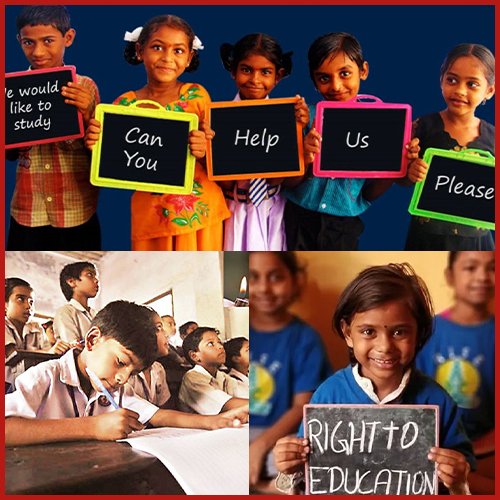
le in bridging this gap by providing financial support, scholarships, and resources to help underprivileged students attend school. 2. Promoting Gender Equality: In many parts of the world, girls face significant barriers to education. By providing education assistance, We can promote gender equality and empower girls to overcome societal obstacles and achieve their full potential 3. Reducing Child Labor and Exploitation: Lack of access to education often leads to child labor and exploitation. Education assistance can keep children in school, protecting them from hazardous labor and giving them hope for a brighter future. Education assistance is a crucial intervention that promotes equality, empowers individuals, and contributes to the overall development of societies. By providing access to education, we can create lasting positive impacts on the lives of individuals and communities, fostering a brighter and more equitable future for all.
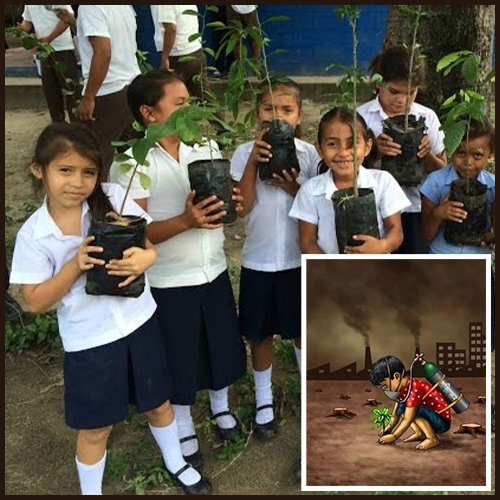
PLANT DISTRIBUTION
Plant distribution programs are initiatives undertaken by Our NGO and environmental organizations to distribute plants and tree saplings to individuals, communities, or public spaces for various purposes, including environmental conservation, forestation, and beautification. These programs aim to promote sustainable practices, biodiversity, and the restoration of ecosystems. Here's how plant distribution programs typically work: 1. Environmental Conservation: Plant distribution programs can focus on distributing native trees and plants, which are essential for biodiversity conservation and ecosystem restoration. NGO can work towards reforesting degraded areas, protecting natural habitats, and combating deforestation. 2. Climate
Change Mitigation: Trees play a crucial role in mitigating climate change by absorbing carbon dioxide from the atmosphere through photosynthesis. Planting trees on a large scale can help offset carbon emissions and contribute to climate change mitigation efforts. 3. Green Cities and Urban Spaces: NGOs can collaborate with urban authorities to distribute plants for urban greening initiatives. Adding green spaces in cities enhances air quality, reduces urban heat island effects, and provides recreational areas for residents. We play a vital role in promoting plant distribution efforts that are sustainable, ecologically responsible, and essential for the well-being of ecosystems and human societies.
HELP TO DISABLE PEOPLE
Our NGO (Non-Governmental Organization) play a crucial role in providing support and assistance to disabled individuals to enhance their quality of life, promote inclusion, and ensure their rights are protected. The help provided by us to disabled persons can vary depending on the organization's focus, available resources, and the specific needs of the individuals. Here are some common ways how we assist disabled persons: 1. Promoting Inclusivity and Equality: Supporting disabled persons is essential for promoting inclusivity and ensuring equal opportunities for all members of society. By assisting disabled individuals, we can work towards creating a more inclusive and accessible environment for everyone. 2. Advocating for Rig
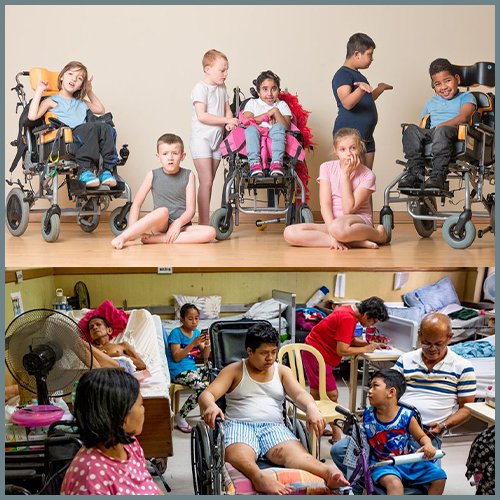
hts and Empowerment: Disabled persons often face discrimination and lack of access to essential services and resources. Our NGO can advocate for the rights of disabled individuals, empowering them to live with dignity and participate fully in society. 3. Mental Health and Social Support: Living with a disability can be emotionally challenging, and individuals may experience isolation and mental health issues. We can offer social support networks, counseling, and mental health services to address these needs. 4. Healthcare Services: We may offer healthcare services specifically tailored to the needs of disabled individuals. This can include specialized medical care, rehabilitation, and therapy services to enhance their overall health and well-being. The assistance provided by our NGO is essential in promoting the inclusion and well-being of disabled persons, empowering them to lead fulfilling lives and contribute to society. We focus on specific aspects of support, but together, they contribute significantly to improving the lives of disabled individuals and creating a more inclusive society
SKILL DEVELOPMENT PROGRAMME
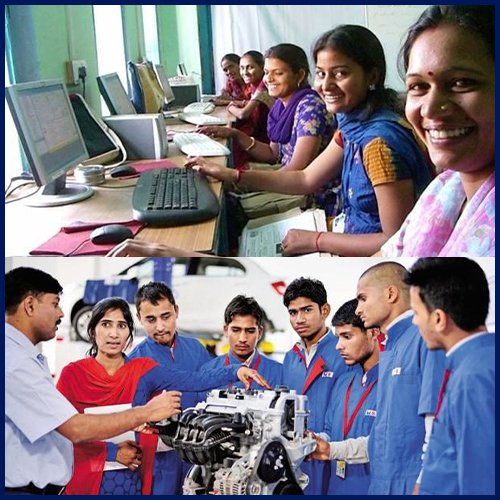
Our NGO play a crucial role in skill development programs by designing, implementing, and managing initiatives that aim to enhance the employability and livelihood prospects of individuals and communities. Skill development programs are powerful tools for promoting economic growth, empowering individuals, and fostering social inclusion. By investing in the skills of people, we can contribute to poverty reduction, sustainable development, and the overall improvement of the well-being of individuals and communities. 1. Training Delivery: We provide the actual training and skill-building activities. Depending on the nature of the skills being taught, this could involve classroom-based training, hands-on workshops, practical exerci
ses, on-the-job training, or a combination of these methods. 2. Program Design: Based on the identified skill gaps and the needs of the community, our NGO design skill development programs that are tailored to address those gaps. These programs may focus on a wide range of skills, from technical skills like computer literacy, vocational training, and trade skills to soft skills like communication, problem-solving, and teamwork. 3. Empowerment and Self-Sufficiency: Skill development programs empower individuals with the knowledge and abilities to become self-sufficient. By acquiring marketable skills, people can improve their employment prospects and economic independence. 4. Certification and Recognition: Upon successful completion of the skill development program, we provide participants with certificates or other forms of recognition. These certificates can enhance participants' employability and demonstrate their newly acquired skills to potential employers. 5. Empowerment and Community Development: By imparting valuable skills, NGOs contribute to the overall empowerment and development of the community. Skilled individuals become more self-reliant, which has a positive impact on the community's socio-economic development. Our NGO play a vital role in skill development programs like spoken English classes and computer classes by making education and training accessible, inclusive, and tailored to the needs of the community. Our goal is to help individuals acquire valuable skills that can significantly improve their livelihoods and open up new opportunities for personal and professional growth.
CHILD BIRTH PROGRAMME
Our NGO (Non-Governmental Organization) play a significant role in providing support and assistance to vulnerable populations, including pregnant women and those in need of protein-rich food. Our efforts are aimed at improving maternal and child health, reducing infant mortality, and enhancing overall well-being. Here are some common ways how we support pregnant women and newborns in impoverished communities Here's how we involve in providing protein food and financial help for pregnant women: 1. Protein Food Provision: Our NGO can focus on addressing malnutrition and food insecurity by distributing protein-rich foods to pregnant women and mothers. This support is crucial during pregnancy and lactation as protein is essential f

or the healthy growth and development of the baby. We also engage in activities such as: Food Distribution: Providing protein-rich food items like pulses, legumes, nuts, fortified cereals, and other nutritious options to pregnant women. Nutritional Education: Conducting workshops or sessions to educate women about the importance of a balanced diet during pregnancy and the significance of protein-rich foods. 2. Financial Help and Support: Many pregnant women, especially those in vulnerable communities, may face financial challenges during pregnancy and childbirth. We offer financial assistance through various means: Prenatal Care: We often provide prenatal care and medical support to pregnant women. This includes regular check-ups, nutrition counseling, and access to essential vitamins and supplements to ensure a healthy pregnancy. Safe Deliveries: Our NGO work towards ensuring safe deliveries by providing access to skilled birth attendants, medical facilities, and clean birthing conditions. They may also conduct training programs for traditional birth attendants to improve birthing practices. Hygiene and Sanitation: We work towards improving hygiene and sanitation conditions, which significantly impact maternal and infant health. They may construct clean water sources and sanitation facilities in impoverished areas. Emergency Response: In times of natural disasters or conflicts, we often provide emergency assistance to pregnant women and newborns, ensuring they receive necessary medical care and support. The combined efforts of our NGO can lead to significant improvements in the health and well-being of pregnant women and newborns in disadvantaged communities. By addressing the underlying social and economic challenges, we contribute to breaking the cycle of poverty and promoting sustainable development.
FAMILY COUNSELING
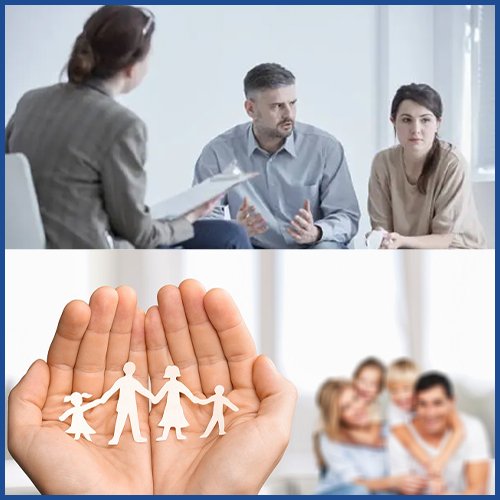
Family is God’s beautiful gift. But now it is separated for small reasons and misunderstandings. For this, I have an idea that is nothing but Family Counselling. It is done by the best psychotherapist. Family counseling is a method to develop and maintain healthy and functional family relationships. The goal is to identify and address problems in the family. These issues could be emotional, or psychological. Many approaches to family counseling stem from the family systems theory. This can help family members improve communication. Family counseling is a form of talk therapy that focuses on the improvement of relationships among family members. If anybody suffering from family issues please approach us.Our NGO also play a sig
nificant role in providing education assistance to underprivileged individuals and communities. Education is a powerful tool for empowering individuals, breaking the cycle of poverty, and promoting social and economic development. Here are some ways in our NGO offer education assistance: Our NGO may provide scholarships or sponsorships to financially disadvantaged students, enabling them to access quality education. These scholarships can cover tuition fees, textbooks, school supplies, and other educational expenses. 1. Access to Education: Education is a fundamental human right, yet many children and young people around the world face barriers to accessing quality education. Our NGO can play a vital role in bridging this gap by providing financial support, scholarships, and resources to help underprivileged students attend school. 2. Promoting Gender Equality: In many parts of the world, girls face significant barriers to education. By providing education assistance, We can promote gender equality and empower girls to overcome societal obstacles and achieve their full potential 3. Reducing Child Labor and Exploitation: Lack of access to education often leads to child labor and exploitation. Education assistance can keep children in school, protecting them from hazardous labor and giving them hope for a brighter future. Education assistance is a crucial intervention that promotes equality, empowers individuals, and contributes to the overall development of societies. By providing access to education, we can create lasting positive impacts on the lives of individuals and communities, fostering a brighter and more equitable future for all.
MOTIVATIONAL CLASSES FOR STUDENTS / EMPLOYEES
Motivation helps us to achieve our goals.It fills energy which encourages us and makes our path easyMotivation fills hope and if a person is hopeful, he can do anything and will fill a different level of confidence.A motivated person is always optimistic and will never feel depressed. An optimistic view is very necessary to live a peaceful life. Non-Governmental Organizations (NGOs) play a significant role in conducting motivational classes and workshops. These organizations are often driven by a social mission and aim to address various societal issues and challenges. When it comes to motivational classes, NGOs can fulfill several important roles: Empowerment and Skil

l Development: NGOs can organize motivational classes that focus on empowering individuals and communities by providing them with valuable skills and knowledge. These classes can cover a wide range of topics, including personal development, communication skills, leadership, goal-setting, and self-confidence, among others. By equipping individuals with these skills, NGOs help them become more self-reliant and confident in pursuing their aspirations. Inspiration and Encouragement: Motivational classes conducted by NGOs are designed to inspire and encourage participants to overcome obstacles and challenges. Through real-life success stories and motivational speakers, these classes create a positive and supportive environment where individuals can believe in their potential and capabilities. Promoting Positive Mindset and Mental Well-being: NGOs recognize the importance of mental well-being in personal growth and development. Motivational classes conducted by NGOs often emphasize the importance of a positive mindset, resilience, and emotional well-being. They may also incorporate techniques like mindfulness and stress management to help participants cope with challenges and setbacks. NGOs contribute significantly to motivational classes by empowering individuals, providing targeted support, promoting mental well-being, building a sense of community, and advocating for positive change. Through these classes, they play a vital role in fostering personal growth, development, and positive social impact.

SERVICE
SERVICE OF SERVICES